

Proton Therapy
Advancing Precision Cancer Treatment

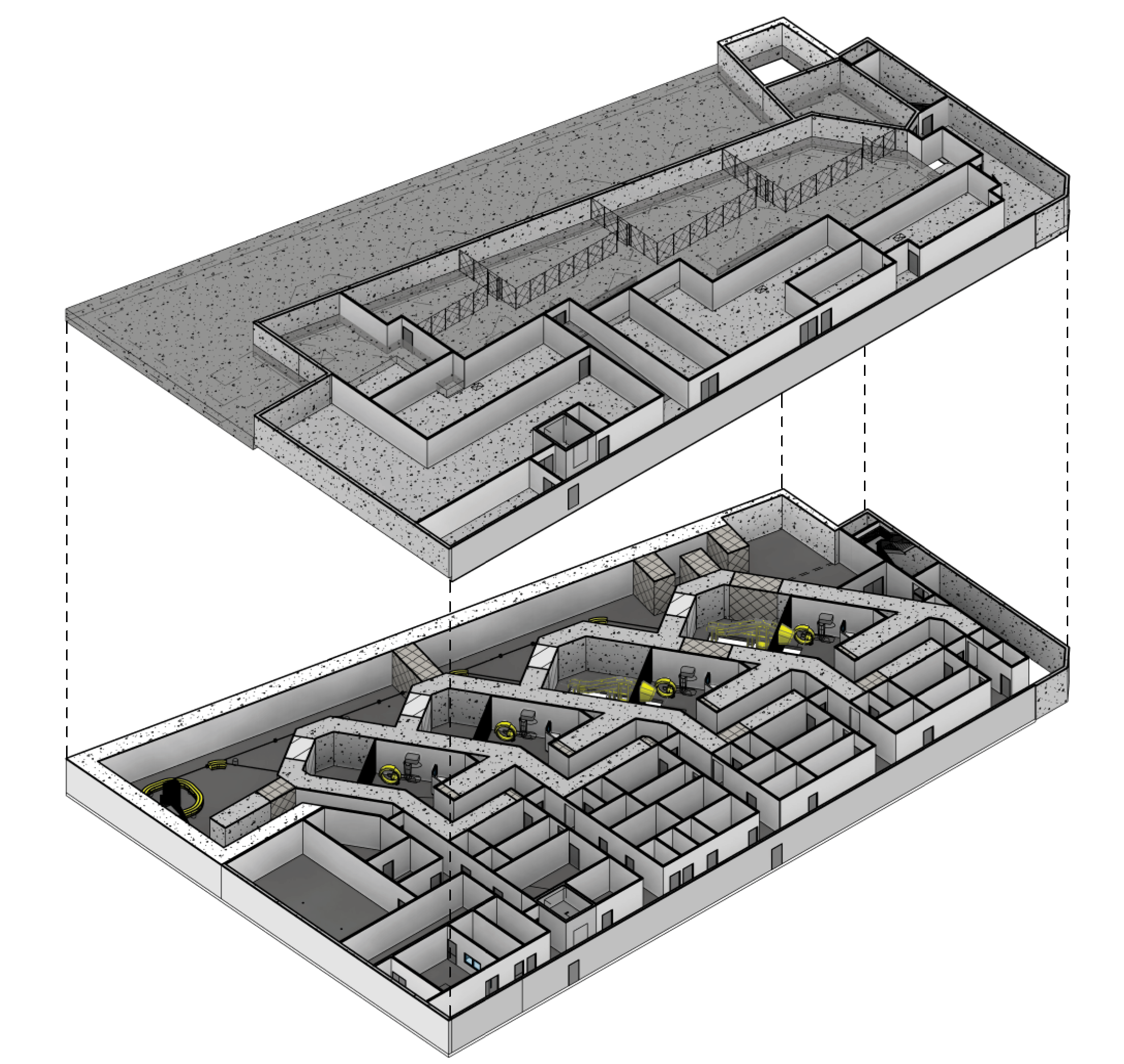
Redefining proton therapy for the modern era.
Leveraging the latest components and cutting-edge radiation delivery technology, our syncrotron-based system brings full-cycle cancer treatment under ONE single, unified user experience.
-
Unlike traditional fixed proton therapy systems, our architecture is fully scalable from a single treatment room to a four-room center. This modular approach significantly lowers upfront investment, accelerates deployment, and allows facilities to expand as demand grows, making world-class proton therapy more accessible than ever.
-
Our unified software platform connects imaging, treatment planning, delivery, and system controls into one seamless ecosystem. Clinicians benefit from simplified workflows, faster decision-making, and consistent system performance, all designed to improve efficiency and elevate the patient experience.
-
Our system delivers advanced Pencil Beam Scanning, enabling highly precise proton dose delivery that conforms to even the most complex tumor shapes. This reduces radiation exposure to surrounding healthy tissue and supports improved treatment accuracy, adaptability, and patient outcomes.
-
With a wide clinical energy range of 70–250 MeV, our system supports treatment for both shallow and deep-seated tumors across the full spectrum of proton therapy indications. This flexibility ensures clinicians can tailor treatments to each patient’s unique anatomy and clinical need.
-
Integrated 3D imaging provides real-time visualization and high-resolution anatomical detail directly within the treatment workflow. This enhances patient positioning and boosts treatment accuracy by ensuring radiation is delivered exactly where it’s intended, every time.
ONE system, your way

Intentionally Designed.
Working with healthcare providers, we design custom radiotherapy solutions tuned to each clinic’s patient population and care goals.
The result is a fully integrated treatment ecosystem optimized for efficiency, safety, and scalability.
Custom Solutions.
With KODA ONE, you get a treatment platform optimized for your patients, your team, and your long-term vision.
Because everything from system configuration to component selection is customizable, you avoid the constraints and inefficiencies of “one-size-fits-everyone” proton therapy systems.

Precision
& Adaptability.
When you partner with Ehmet Health, we don’t just leave you with a machine, you’re gaining a flexible, radiation therapy ecosystem built around your needs.
What is proton therapy?

-
Proton therapy is a precise form of radiation treatment that uses positively charged particles (protons) rather than traditional X‑rays. The protons deliver radiation directly to the tumor site and then stop, which means the surrounding healthy tissue receives minimal exposure. This focused delivery makes proton therapy far more accurate than conventional radiation.
-
Proton therapy can be tailored to match each patient’s unique anatomy and treatment needs.
Clinicians can adjust the beam energy, direction, and depth so that the radiation conforms exactly to the tumor’s shape, size, and location.
Advanced delivery methods such as pencil‑beam scanning allow the system to “paint” radiation dose layer by layer. This flexibility ensures that treatment can be optimized for simple tumors as well as complex or irregular ones, including those close to sensitive organs.
-
Clinicians gain exceptional control over radiation delivery, enabling high doses to reach the tumor while sparing adjacent healthy tissue, even when tumors are near critical organs.
The flexibility of proton therapy expands treatment options, making it possible to safely treat cases that might be risky with traditional radiation.
Because the system is adaptable, proton therapy can integrate into a wide range of clinical settings from specialty clinics to large oncology centers.
-
Patients receive radiation that is highly targeted, which reduces exposure to healthy tissue and lowers the risk of side effects.
With reduced exposure, patients often experience fewer short‑term side effects and have a lower risk of long‑term complications, including secondary cancers.
For tumors near vital organs or for children whose organs are still developing, proton therapy offers a safer treatment.